
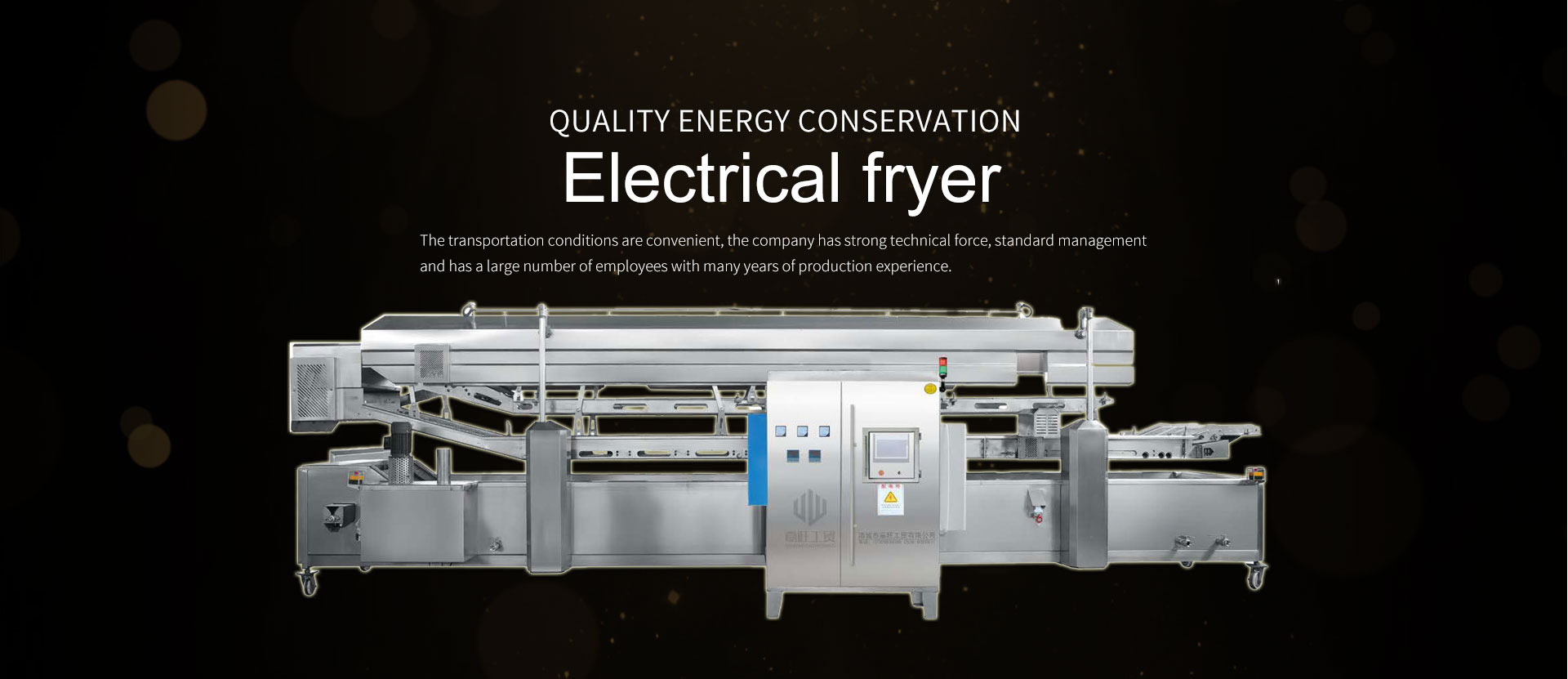
How much can an Electrical fryer really save in oil costs over months or years of daily use? For bakeries, food factories, and commercial kitchens, oil efficiency directly affects operating costs, product consistency, and maintenance planning. This article explores the real long-term savings of an Electrical fryer, comparing oil consumption, filtration practices, heat control, and production demands to help buyers and operators make a smarter investment decision.
In bakery equipment operations, frying is often evaluated by output speed and heating power, but oil cost is usually the larger long-term variable. For donut lines, fried pastry production, snack processing, and mixed bakery-food applications, even a 10% difference in oil life can materially change monthly operating expense. That matters to operators, technical evaluators, purchasing teams, quality managers, and business decision-makers alike.
An Electrical fryer does not automatically guarantee lower oil consumption in every plant. Savings depend on temperature stability, filtration discipline, load pattern, fryer tank design, idle-time control, and how often crumbs, batter fines, sugar, or moisture enter the oil. The practical question is not whether electricity is modern, but whether the whole frying system reduces waste over 3 months, 12 months, or 3 years of production.
Why oil savings matter more than the purchase price
For many bakeries and food factories, fryer purchase cost is a one-time capital decision, while oil spending is a recurring operating cost that appears every week. A production line using 80 to 200 liters of oil in circulation can consume far more value in replacement oil over 12 to 24 months than the difference between two fryer quotations. This is why total cost of ownership is more useful than headline equipment price.
Oil affects more than finance. As frying media degrades, color darkens faster, smoke increases, off-flavor risk rises, and product absorption becomes less predictable. For quality control teams, unstable oil can create variation in crust, texture, and finished weight. For safety managers, aged oil can also increase cleaning burden and carbon buildup around heated zones.
In electrical frying systems used in bakery environments, the most common savings drivers are steady heat input, reduced overheating during idle periods, and easier integration with oil filters and oil tanks. When heat overshoot is reduced by even 5°C to 10°C compared with poorly controlled systems, oil oxidation can slow noticeably in normal daily production. This does not eliminate replacement, but it may extend useful oil life by several production cycles.
Decision-makers should also note that oil losses are not only caused by chemical degradation. Oil leaves the system through product carry-out, filtration sludge, spills during handling, cleaning loss, and early dumping caused by quality complaints. A fryer that improves all five areas can deliver more savings than one that only claims higher thermal efficiency.
Key cost areas influenced by fryer design
- Oil life extension through tighter temperature control, often in the 170°C to 190°C operating range for bakery frying.
- Reduced sediment burning by separating crumbs from the hottest zone and filtering once per shift or once per day.
- Lower idle-time waste through staged heating, standby modes, or faster recovery after short production stops.
- More predictable product absorption, which can help stabilize yield and finished texture over batches of 50 kg, 200 kg, or more.
The table below shows where long-term oil expense usually comes from in a bakery or food processing setting.
The main takeaway is simple: real savings come from a controlled process, not from a single component. In most bakery equipment evaluations, oil management should be reviewed with the same rigor as capacity, kW rating, and line footprint.
Where an Electrical fryer can reduce oil consumption over time
A well-designed Electrical fryer often saves oil because electric heating can be controlled in smaller increments than many conventional systems. In practical terms, this can reduce repetitive temperature spikes during low-load production or shift changes. When a donut fryer or snack fryer runs 8 to 16 hours per day, these smaller control improvements accumulate into measurable oil preservation over 6 to 12 months.
Another advantage is recovery behavior. If a fryer drops from 185°C to 176°C when a batch enters and then recovers smoothly without overshooting to 192°C, oil stress is lower than in a system that cycles hard between underheating and overheating. For technical assessment teams, temperature deviation and recovery curve are often more meaningful than advertised maximum temperature alone.
Electrical fryers also pair efficiently with external or built-in oil filters and oil tanks. In bakery plants handling crumbs, sugar-coated items, or mixed recipes, continuous or scheduled filtration can remove suspended particles before they carbonize. This slows the chain reaction that makes oil appear old before it has actually reached the end of its usable life.
In some facilities, an Electrical fryer is installed as part of a wider process that includes proofing, steaming, baking, cooling, and dry ingredient preparation. For example, where premixes or coatings are prepared nearby, consistent upstream handling with equipment such as Powder mixer can help reduce loose solids entering the fryer area, which indirectly supports cleaner oil and more stable filtration intervals.
Four practical mechanisms behind oil savings
1. Stable heating
Keeping temperature variation within a narrower band, such as ±1°C to ±3°C, helps slow oxidation and maintain product color. This is especially useful for sweet doughs and fine bakery items that are sensitive to darkening.
2. Better sediment control
Sediment that settles away from the hottest zone burns less aggressively. Combined with daily filtration or every-shift filtration, this can noticeably extend usable oil life.
3. Reduced idle overheating
Lines with frequent pauses can use standby settings to reduce oil exposure to unnecessary heat for 20, 30, or 60 minutes at a time. This matters in multi-product bakeries with uneven scheduling.
4. More disciplined oil handling
When integrated with an oil tank and transfer path, filling, draining, and filtering become more repeatable. Operators are less likely to discard oil early because the handling process is inconvenient or messy.
The comparison below summarizes typical performance differences between basic frying management and a more controlled electrical frying setup.
These are not fixed guarantees, but in real operations they explain why many buyers observe meaningful savings from a better controlled fryer rather than from heating method alone.
How to estimate real savings in monthly and yearly terms
The most practical way to estimate savings is to start with five operational numbers: fryer oil volume, top-up frequency, full replacement frequency, filtration frequency, and hours at frying temperature per day. A bakery running 120 liters of oil, topping up 6 liters per day, and replacing the full charge every 10 days will have a very different cost profile from a plant that filters every shift and replaces every 18 days.
A simple internal model can be built without complicated software. Multiply average daily top-up by 30 days, then add the monthly equivalent of full oil changes. Next, compare the current system with an Electrical fryer scenario that extends oil life by 15% to 30% through better control and filtration. Even a conservative reduction often justifies a closer equipment review.
For example, if a factory uses the equivalent of 420 liters of fresh oil per month across top-ups and changes, and process improvements lower that to 340 liters, the monthly saving is 80 liters. Over 12 months, that becomes 960 liters. If the site runs 2 shifts and 300 days per year, the financial effect can be large enough to influence payback calculations more than small differences in machine list price.
Purchasing teams should not evaluate oil savings in isolation. They should also compare labor for filtering, cleaning downtime, reject rates from dark product, and oil disposal handling. In some cases, the hidden value of a more stable fryer is not only reduced oil consumption but fewer quality deviations per quarter.
A practical 5-step estimation method
- Record current oil charge volume, such as 60 L, 120 L, or 250 L.
- Measure average top-up per shift for 7 to 14 days.
- Count full or partial oil replacements over 1 month.
- Track operating temperature and idle hot time in hours.
- Model a controlled frying scenario with better filtration and lower overshoot.
The table below shows a sample estimation framework for internal evaluation.
This sample suggests a reduction of roughly 27%. Real results vary by recipe, moisture load, product carry-out, and cleaning discipline, but the method helps technical and commercial teams speak from operating data instead of assumptions.
What buyers and operators should check before expecting oil savings
Not every Electrical fryer will produce the same return. Procurement teams should check the entire frying system, including tank geometry, heating arrangement, control logic, oil circulation path, filtration compatibility, and cleaning access. A fryer can have strong electrical specifications on paper and still waste oil if residue management is poor or if operators find daily maintenance too difficult to follow.
Operators should also examine product mix. Frying plain dough pieces is different from frying sugared snacks, coated products, or items with high crumb release. If the line handles 3 to 5 product types per week, oil contamination behavior may change sharply between recipes. In these cases, a separate oil tank, filter loop, or segmented production schedule may protect oil quality better than frequent dumping.
Quality and safety managers should define clear thresholds for color, odor, foam, sediment, and cleaning intervals. Without practical limits, teams may either dump oil too early or keep it too long. Both choices are expensive. Many facilities benefit from shift-based inspection routines with 4 to 6 checklist points and weekly review by production supervisors.
Distributors and project managers should remember that fryer performance is linked to upstream and downstream equipment. Dough preparation, moisture consistency, transfer conveyors, draining sections, and post-fry handling all affect oil retention and contamination. In integrated lines, coordination across the full bakery equipment process is often where stable savings are won.
Checklist for evaluating an oil-saving fryer solution
- Can the system maintain stable frying temperature within a defined control band during batch entry and idle periods?
- Is filtration daily, per shift, or continuous, and how much operator time does it require?
- Does the fryer include or support an oil tank for safer transfer, settling, and reuse management?
- How easy is cleaning around heating zones, sediment collection points, and drain valves?
- What is the expected production pattern: 8 hours, 12 hours, or multi-shift continuous use?
Common mistakes that reduce oil life
A common mistake is leaving the fryer at full production temperature during every stoppage, including breaks longer than 20 minutes. Another is filtering too late, after visible darkening or foam already appears. A third is mixing high-crumb and low-crumb products in the same oil window without planned cleaning or filtration. These habits erase much of the benefit of an Electrical fryer.
Another overlooked area is raw material handling. Consistent dry ingredient blending and coating control upstream can reduce loose solids and variability entering the fryer. In some processing layouts, equipment like a Powder mixer supports cleaner preparation flow, which helps maintain better fryer hygiene and more repeatable oil condition over time.
Implementation, maintenance, and realistic payback expectations
To realize oil savings, implementation must be operational, not only technical. After installation, most facilities need 2 to 4 weeks of process stabilization. During this period, teams should record temperature setpoints, load size, frying time, top-up volume, and filtration timing. Without baseline and follow-up records, the business case remains theoretical.
Maintenance routines matter just as much. Heating surfaces, probes, valves, and filters should be checked on a defined schedule. A blocked filter or inaccurate temperature sensor can reverse expected savings quickly. In many bakery plants, weekly inspection plus monthly deeper maintenance is a practical starting point, with additional checks during high-season production.
Payback can vary widely. A smaller bakery with 40 to 60 liters of oil in circulation may see moderate savings, while a factory running 150 to 300 liters over 2 shifts may see much faster return. If oil reduction, labor savings, and lower reject risk are combined, the payback window may fall within 12 to 24 months for some installations. The exact result depends on utilization, recipe type, and existing process discipline.
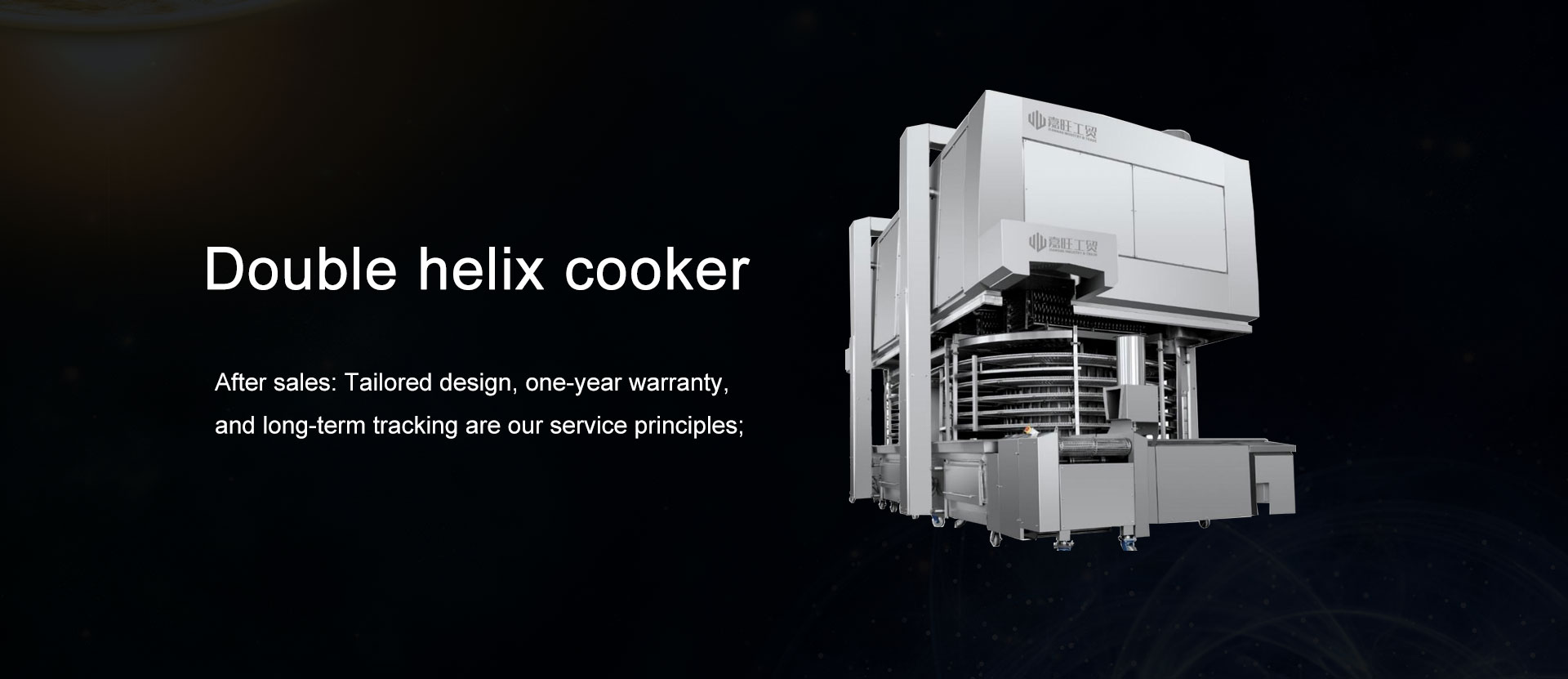
For engineering leaders and business evaluators, the strongest projects are those that combine an Electrical fryer with supporting equipment such as oil filters, oil tanks, and line-matched transfer or holding solutions. In broader thermal processing environments, related equipment such as steam tunnel machines, steaming and baking machines, steam cabinets, or double helix cookers may also be part of a coordinated production upgrade, but each section should still be assessed on its own operating logic and sanitation needs.
FAQ
How long does it take to verify oil savings after installation?
Most sites can see a reliable trend within 3 to 6 weeks if they track top-up volume, replacement interval, and filtration records daily. A full seasonal view is better when product mix changes across the year.
Is oil savings mainly about electricity instead of fuel?
No. The larger factor is process control. Stable temperature, lower overshoot, cleaner oil, and disciplined operation usually matter more than the energy source alone when the goal is preserving oil quality.
Which facilities benefit most from an Electrical fryer?
High-frequency users, multi-shift bakery plants, donut producers, snack processors, and commercial kitchens with strict quality targets often gain the most. The benefit is usually stronger where oil is filtered regularly and production planning is consistent.
What is the minimum data a buyer should request?
Ask for operating temperature range, control precision, filtration method, oil volume, cleaning workflow, recommended maintenance interval, and suitability for your target products. These points reveal more than generic efficiency claims.
Over time, an Electrical fryer can save a meaningful amount of oil, but the real answer depends on process discipline, filtration quality, temperature stability, product type, and system integration. For bakery equipment buyers, the best evaluation method is to compare monthly oil use, replacement cycles, cleaning losses, and quality consistency instead of focusing only on initial machine price.
If your bakery, food factory, or commercial kitchen is reviewing frying efficiency, now is the right time to compare fryer design, oil management accessories, and total operating cost. Contact us to discuss your production conditions, get a tailored equipment recommendation, and learn more about practical solutions for Electrical fryers, oil filters, oil tanks, and complete bakery process lines.
Online Consultation