
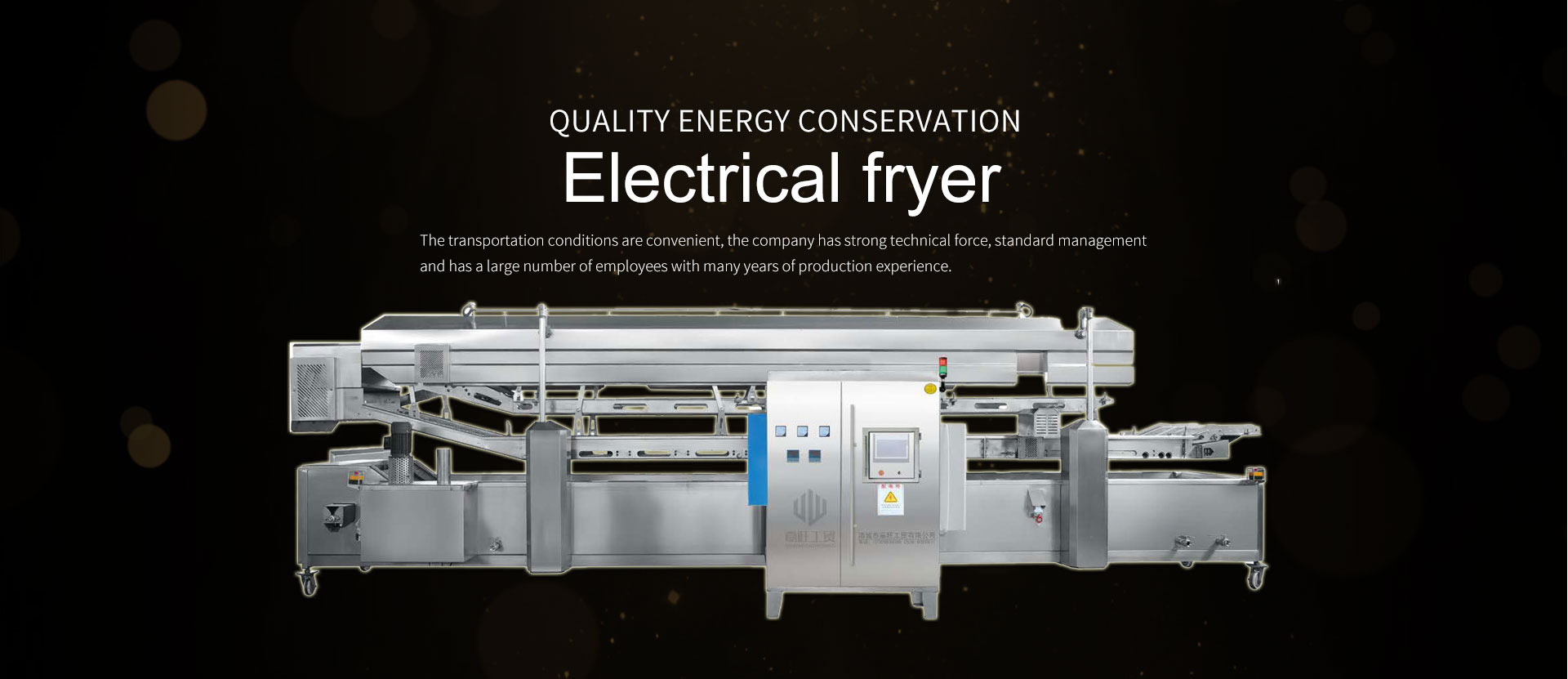
When choosing an Electrical fryer, many buyers focus on tank capacity first, but basket size often has a bigger impact on output, product quality, and daily efficiency. For bakeries and food production lines, the right basket design can improve frying consistency, reduce handling time, and support safer operation. Understanding this difference helps operators, engineers, and purchasing teams make more practical equipment decisions.
Why basket size changes production results more than tank volume
In bakery equipment selection, tank size looks impressive on a specification sheet because it is easy to compare in liters. Yet daily production does not depend on oil volume alone. It depends on how much product can be loaded, separated, lifted, drained, and transferred in each cycle. That is why basket size often matters more than tank size in an Electrical fryer, especially for donuts, filled snacks, churros, coated bakery items, and semi-fried products entering a larger processing line.
A large oil tank can hold more thermal mass, which helps temperature stability, but if the basket is too narrow or too shallow, operators cannot use that volume effectively. In practical terms, a fryer with a moderate tank and well-matched basket may outperform a larger tank with a restricted loading area. For many plants, the real question is not “How many liters?” but “How many kilograms per batch, how many baskets per hour, and how much manual handling is required?”
Basket dimensions affect 3 core production indicators: batch capacity, product distribution, and cycle rhythm. If products overlap too much, oil circulation becomes uneven and color variation increases. If the basket footprint is too small, staff may need 2–3 extra loading cycles per hour. Over an 8-hour shift, that difference becomes significant for labor planning, output forecasting, and line balancing.
This matters across user groups. Operators care about lifting comfort and quicker unloading. Technical evaluators focus on heat transfer, recovery time, and oil turnover. Procurement teams need to compare usable throughput, not only nominal tank size. Quality and safety personnel look at product consistency, splash risk, and basket stability during repeated operation.
The production logic behind basket-first thinking
A fryer is part of a process, not a standalone container. In bakery manufacturing, the fryer often connects with proofing, depositing, steaming, cooling, oil filtering, or post-frying seasoning. When the basket matches product format and batch rhythm, the whole line flows better. When it does not, upstream waiting time and downstream congestion increase, even if the tank itself is large.
- Wider baskets support better single-layer distribution for fragile dough pieces and coated items.
- Deeper baskets may help volume, but only if product compression does not damage shape or crust development.
- Basket handle design, lifting angle, and drainage time affect operator fatigue during repeated cycles every 3–8 minutes.
- The right basket can reduce secondary sorting and shorten transfer from fryer to tray, conveyor, or oil filter area.
A simple way to compare fryer usefulness
Before approving a machine, compare usable basket area, recommended product loading depth, and actual cycle count per hour. These 3 values often reveal more than tank liters alone. For example, in small to mid-batch bakery production, a difference of 15%–25% in usable basket area can change output enough to affect labor cost per unit and shift scheduling.
What should buyers compare: basket size, tank size, or both?
The correct answer is both, but not with equal weight in every project. Tank size influences oil reserve, temperature stability, and system inertia. Basket size influences practical loading, product spacing, and handling speed. In bakery equipment procurement, the right decision depends on product type, hourly demand, frying time, and whether the line runs in batches or near-continuous mode.
For low-density products that need room to float or expand, basket area usually deserves priority. For dense or high-moisture products with strong temperature impact, tank capacity and heating power may need more attention. If your line includes an oil fryer, oil filter, and oil tank in one integrated setup, basket and tank decisions should be evaluated together rather than separately.
The table below helps compare how basket size and tank size affect real-world bakery production decisions. It is especially useful for technical reviewers, project managers, and purchasing teams building a short list of Electrical fryer options.
The comparison shows why spec sheets should not be read in isolation. In many bakery applications, basket size drives operational value while tank size supports thermal behavior. A balanced design is ideal, but when one machine has a bigger tank and another has a better basket layout, the second option may deliver higher usable throughput.
When tank size deserves more attention
There are cases where tank size becomes critical. Examples include continuous high-moisture frying, products with heavy crumb loss, or operations requiring longer uninterrupted runs of 6–12 hours. In these situations, larger oil reserve, proper filtration, and stable heating control work together. That is why many industrial users evaluate Electrical fryer systems alongside oil filter and oil tank configurations rather than looking at basket dimensions alone.
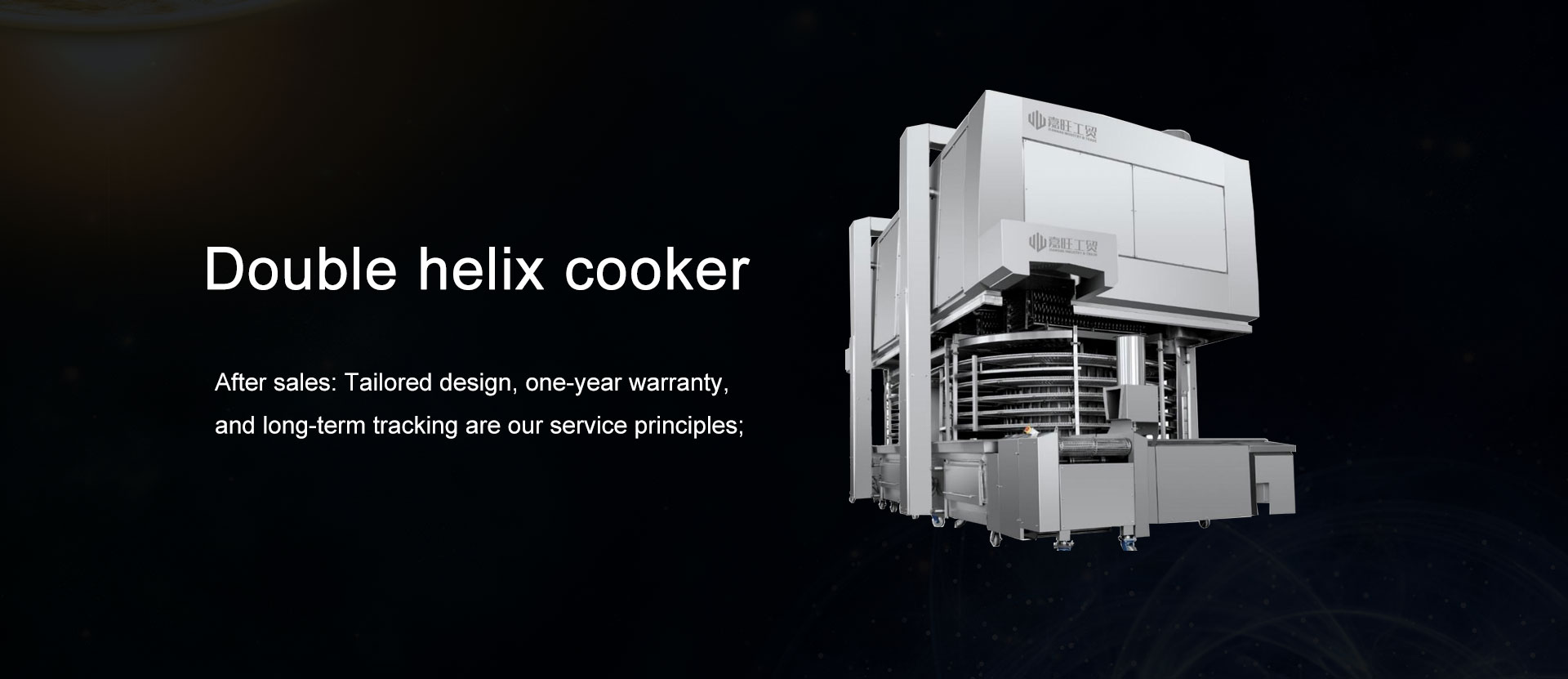
For mixed production facilities, this broader systems view also aligns better with related thermal equipment such as steam tunnel machine, double helix cooker, steaming and baking machine, and steam cabinet. Each stage has its own holding capacity, transfer pattern, and thermal recovery profile.
How basket design affects product quality, safety, and labor
A basket is not only a container. It is a contact point between machine design and human operation. In bakery frying, quality defects often come from crowding, uneven floating, partial submersion, or rough unloading. These issues can appear even when heating power is sufficient. That is why technical performance must include mesh pattern, edge shape, basket depth, handle structure, and compatibility with product size.
For operators, the basket defines rhythm. If one cycle includes loading, frying, lifting, draining for 20–40 seconds, and unloading, awkward handling adds unnecessary delay. Over 40–80 cycles per shift, poor ergonomics can increase fatigue and raise splash risk. Safety managers should therefore assess manual contact frequency, grip stability, and whether drainage positions keep hot oil away from hand paths.
For quality teams, basket geometry influences final appearance. Products that touch too closely may show pale contact marks or uneven browning. Fragile bakery items may break when baskets are overfilled. Wider product spacing usually improves oil circulation and color consistency, especially for items that expand during the first 30–90 seconds of frying.
This is also where integrated line design matters. A fryer paired with proper oil filtration and transfer staging can protect oil life and reduce crumb accumulation. In facilities evaluating thermal processing capacity across departments, related equipment such as Carbon oven may also be considered when comparing roasting, baking, and frying steps in one production plan.
Key basket characteristics that deserve technical review
Below is a practical checklist for engineers, project leaders, and procurement reviewers. These points often reveal whether a fryer will perform well in daily bakery use rather than only during a short demonstration.
- Usable internal dimensions should match the product footprint with room for oil circulation, not just maximum product count.
- Basket depth should fit product height and floating behavior; too deep can encourage stacking, too shallow can limit volume.
- Mesh opening and wire structure should support drainage while minimizing product marking and crumb retention.
- Lift and drain position should be stable enough for repeated use every few minutes under hot-oil conditions.
- Cleaning access should be practical within daily sanitation windows, often 20–45 minutes for basket-related tasks in batch systems.
Why this matters for distributors and end users
Distributors and agents benefit when basket-related questions are discussed early, because complaints after installation often involve throughput expectations and handling convenience, not heating function alone. End users, especially smaller bakeries scaling into semi-industrial production, may discover that a slightly smaller tank with a better basket gives more reliable daily output than a bulkier machine selected only by liter rating.
How to choose the right Electrical fryer for bakery applications
A good procurement process should translate production needs into measurable equipment criteria. Start with product type, target hourly output, frying time, and operator workflow. Then compare basket loading, heating capacity, filtration options, cleaning access, and installation limits such as power supply and floor layout. This approach reduces the risk of buying a fryer that looks large enough but performs inefficiently in real use.
Most bakery projects can be reviewed through 5 key selection steps. First, confirm whether production is small batch, medium batch, or larger continuous demand. Second, identify whether products should be single-layer or can be gently stacked. Third, estimate cycles per hour based on frying time. Fourth, review oil management with filter and tank support. Fifth, check sanitation and maintenance intervals, especially if daily cleaning is required.
The table below provides a practical selection framework. It is useful for purchasing teams comparing multiple suppliers of Electrical fryer, oil fryer, and supporting oil management systems.
This framework helps teams avoid overvaluing one specification. If a supplier only emphasizes tank liters without discussing usable basket loading, drainage time, or operator workflow, the review is incomplete. Procurement should always connect fryer design with actual product handling and shift targets.
Recommended buyer questions before final approval
- How many kilograms or pieces fit in one basket without overlap for my product size?
- What is the typical cycle rhythm, including loading, frying, draining, and unloading?
- How does the machine recover temperature after each batch under normal production use?
- Can the fryer connect efficiently with an oil filter, oil tank, or other upstream and downstream bakery equipment?
- What are the routine cleaning tasks per shift, per day, and per week?
For project-based purchases, also request installation conditions, power requirements, and typical delivery windows such as 2–6 weeks for standard units or longer for customized line integration. This is especially important when the fryer is part of a broader system that may include steaming and baking machine or steam cabinet support.
Common misconceptions, compliance points, and practical FAQ
Many buying mistakes come from oversimplified assumptions. The first is that a bigger tank automatically means higher output. The second is that basket size only matters for manual convenience. The third is that all bakery products behave similarly in oil. In reality, moisture release, expansion, coating fragility, and target texture all affect how basket geometry should be selected.
Compliance should also be part of the discussion. While requirements vary by market and application, buyers commonly review food-contact material suitability, electrical safety, sanitation-friendly structure, and cleanability. For export or multi-site projects, it is reasonable to clarify applicable voltage, documentation, and machine marking requirements before manufacturing starts. These checks are usually easier to complete during quotation and drawing confirmation than after shipment.
If your bakery line combines frying with other thermal processes, planning should consider product handoff and processing sequence. For example, some factories compare a fryer stage with baking or roasting sections such as Carbon oven when balancing flavor profile, floor space, and energy allocation across the plant.
FAQ: Does a larger tank always improve frying stability?
Not always. A larger tank can improve thermal reserve, but if the basket is poorly sized for the product, loading will still be inefficient and frying may remain uneven. Stability depends on 3 linked factors: oil volume, heating power, and basket loading pattern. In many bakery situations, correct product spacing is just as important as oil reserve.
FAQ: What basket features matter most for bakery products?
Focus on usable area, depth, mesh structure, drainage behavior, and ease of unloading. For delicate items, gentle support and low crowding are important. For medium-volume production, baskets should allow repeated cycles every few minutes without awkward handling. Ask suppliers for product-specific loading guidance rather than only dimensional drawings.
FAQ: How should procurement teams compare quotations?
Compare at least 5 items: basket loading capacity, heating system, oil management, cleaning design, and delivery scope. Include accessories, installation requirements, and expected spare-part needs for the first 6–12 months. A lower purchase price may not be the better value if the machine needs more labor per batch or creates higher oil waste.
FAQ: What delivery and implementation points should be checked?
Confirm voltage, footprint, drainage direction, operator access, and whether commissioning guidance is required. Standard stand-alone fryers may move faster than integrated line projects. If the machine must work with an oil filter, steam cabinet, or conveyor section, layout coordination and connection details should be reviewed early to avoid installation delays.
Why choose us for fryer selection and integrated bakery equipment planning
For buyers in the bakery equipment sector, selecting an Electrical fryer should not stop at catalog comparison. The better path is to match basket size, tank size, heating method, and oil handling to your actual product and production goals. Our business covers Electrical fryer, oil fryer, oil filter, oil tank, steam tunnel machine, double helix cooker, steaming and baking machine, and steam cabinet, which allows a more connected view of thermal processing rather than a single-machine recommendation.
If you are comparing options, we can support practical discussions on 4 key areas: parameter confirmation, product selection, delivery timing, and customization needs. We can also discuss whether your line needs batch frying, linked oil management, or coordination with steaming and baking stages. This is especially useful for purchasing managers, technical reviewers, distributors, and factory decision-makers handling expansion or equipment replacement.
To move your evaluation forward, prepare 5 basic inputs: product name and size, expected hourly output, frying time range, available utility conditions, and whether you need stand-alone or line-integrated equipment. With those details, discussions become faster and more accurate, often reducing unnecessary quotation revisions in the first 7–15 days of project communication.
Contact us if you want help with basket versus tank assessment, fryer model selection, oil filter and oil tank matching, expected delivery cycle, layout suggestions, certification-related documentation, or quotation comparison. A clear technical conversation at the beginning usually prevents costly compromises after installation.
Online Consultation