
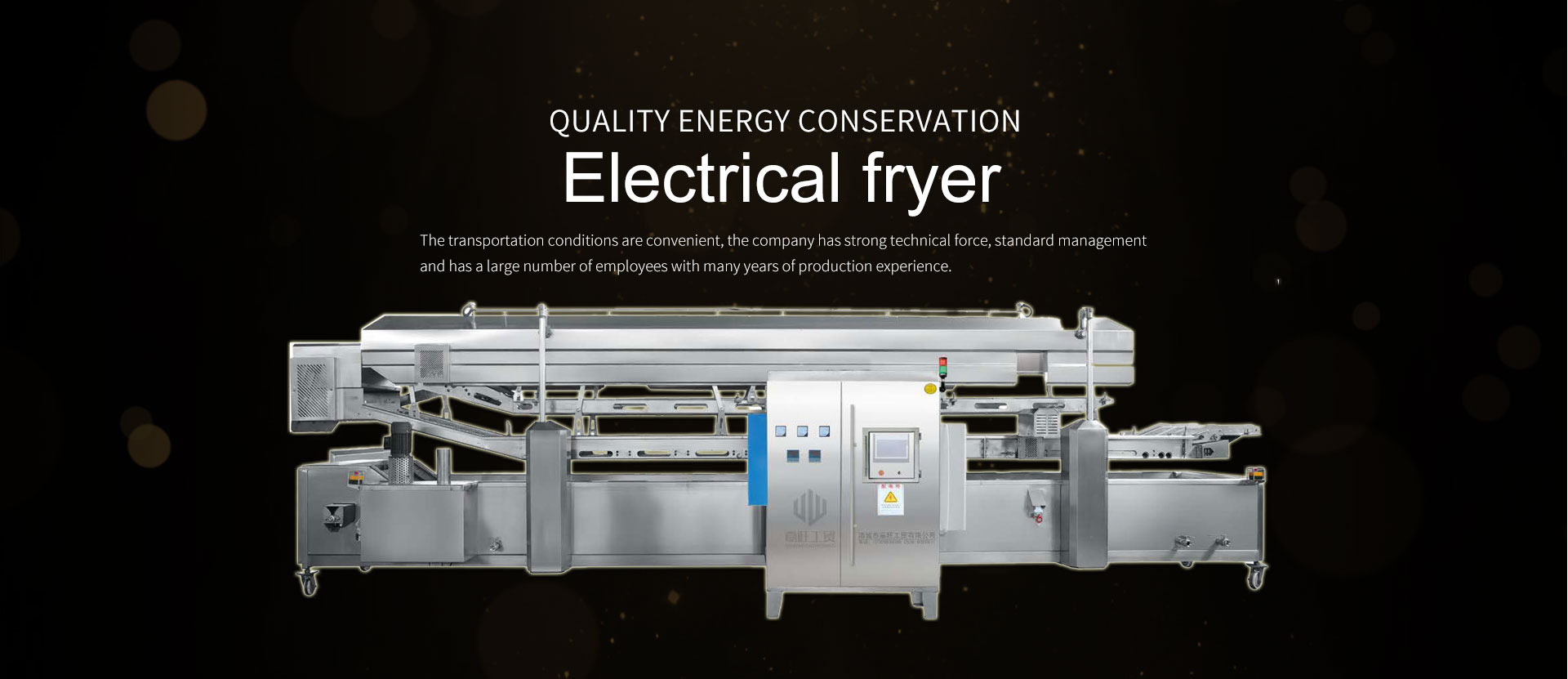
When evaluating an electrical fryer, many buyers compare capacity, recovery time, and energy use first. Those are important, but they are not the features most likely to prevent burns, oil fires, downtime, and inconsistent product quality. In practice, the safety features that get overlooked are often the ones that matter most day to day: temperature limiting logic, low-oil protection, sensor reliability, shut-off design, filtration safety, and the way the machine behaves during operator error. For users, engineers, procurement teams, and safety managers, a good fryer is not just one that heats fast—it is one that stays stable, protects staff, and reduces risk under real operating conditions.
What buyers are really trying to find out
People searching for overlooked electrical fryer safety features usually are not looking for a generic list. They want to know which details are commonly missed during comparison, which features actually reduce accidents and operating risk, and how to tell whether a fryer is safe in real production rather than only on a brochure.
That is especially true for commercial kitchens, food factories, snack processing lines, and central production facilities where one unsafe design decision can affect operator safety, cleaning efficiency, product consistency, and compliance performance at the same time.
Why “basic safety” is not enough in an electrical fryer
Many fryers are sold with standard claims such as “overheat protection” or “safe operation.” The problem is that these claims often say little about how the protection works, how quickly it responds, or how well it performs after months of heavy use.
In real operations, most incidents do not happen because no safety feature exists at all. They happen because:
- The protection threshold is too high or poorly calibrated
- The sensor is placed in a location that does not reflect actual oil temperature
- The machine keeps heating during low-oil conditions
- The shut-off control is not easy to reach during an emergency
- Maintenance teams cannot inspect or test protective parts easily
- Operators bypass alarms because they are too frequent or unclear
That is why serious evaluation should go beyond the presence of a feature and focus on response quality, usability, and failure prevention.
The most overlooked electrical fryer safety features
The following features are often undervalued during selection, yet they have a major effect on safety, quality stability, and long-term operating cost.
1. Independent over-temperature protection
A fryer should not rely only on the main control thermostat. A separate high-limit safety cut-off is critical. If the primary control fails or drifts, the independent limiter should stop heating before the oil reaches a dangerous level.
What to check:
- Whether the high-limit protection is independent of the main controller
- Whether reset requires manual action instead of automatic restart
- Whether the trigger point is appropriate for the oil type and application
- Whether the system logs the event for troubleshooting
2. Low-oil level detection
Low-oil operation can damage heating elements, accelerate oil degradation, and increase fire risk. Yet many buyers still focus more on tank volume than on oil-level protection.
A good electrical fryer should detect abnormal oil level conditions and either reduce heat or shut down the heating circuit before damage occurs.
What to check:
- Whether there is real-time oil-level monitoring
- Whether the machine prevents heating when the tank is underfilled
- Whether alarms are visible and understandable for operators
- Whether sensor performance is reliable in high-temperature greasy environments
3. Dry-fire prevention logic
Dry-fire is one of the most serious hidden risks in electrically heated systems. If heating elements are energized without sufficient oil coverage, temperatures can rise quickly and create severe safety hazards.
Dry-fire prevention should include more than a warning light. The system should actively block unsafe startup or stop heating immediately when dangerous conditions are detected.
4. Sensor redundancy or sensor fault detection
Temperature control is only as safe as the sensor input. If a sensor fails, drifts, or becomes coated with residue, the fryer may continue heating based on bad data. Better designs include fault diagnostics, sensor deviation alerts, or backup logic to prevent uncontrolled heating.
This matters greatly for technical evaluators and quality teams because unstable sensing affects both safety and product consistency.
5. Emergency shut-off that is actually usable
An emergency stop is only useful if operators can find it and reach it instantly. On some machines, shut-off controls are placed too low, too far back, or too close to hot surfaces.
Review the physical design, not just the specification sheet:
- Is the emergency shut-off clearly marked?
- Can an operator activate it while stepping back from hot oil?
- Does it cut heater power immediately?
- Is there a safe restart procedure after activation?
6. Safer oil draining and filtration interfaces
Many fryer injuries occur during draining, filtering, or cleaning rather than active frying. Valve design, hose connection security, oil transfer stability, and splash control are often underestimated.
If your process includes oil management equipment such as an oil filter or external oil tank, the safety of these connection points becomes just as important as the fryer itself. A poorly designed drain system can create burn risk, spills, floor hazards, and contamination issues.
7. Cool-touch or shielded operator zones
Not every hazard comes from the oil vat. Controls, handles, access doors, and surrounding panels should be designed to reduce accidental contact with hot surfaces. This is especially important in busy production areas with shift changes, fast-paced work, or new operators.
8. Alarm clarity, not just alarm presence
Machines often include buzzers and warning lights, but unclear alarms create confusion rather than safety. Operators need to know what happened, what action is required, and whether production can continue safely.
The best systems separate critical faults from maintenance reminders and provide simple, actionable messages.
9. Electrical protection in wet and greasy environments
Because fryers operate around oil, steam, cleaning chemicals, and frequent washdown, electrical enclosure quality matters. Ingress protection, cable routing, insulation quality, grounding, and panel sealing are all practical safety issues.
This is one reason equipment buyers in broader thermal processing lines often compare fryer design philosophy with adjacent systems such as a Steam cabinet, where moisture management and safe thermal control are also critical to daily operation.
10. Safe recovery after power interruption
Power instability, maintenance interruption, or emergency shut-down can create unsafe restart conditions. A well-designed electrical fryer should not simply resume heating automatically without checking oil level, sensor status, and operator confirmation where appropriate.
How these overlooked features affect more than safety
Safety features are often treated as a compliance topic, but they directly influence business results.
- Operator protection: fewer burns, spills, and unsafe interventions
- Product consistency: better temperature stability means more uniform frying results
- Oil life: controlled heating and low-oil protection help reduce oil breakdown
- Maintenance cost: less damage to heating elements, sensors, and control systems
- Downtime reduction: early fault detection prevents larger failures
- Audit readiness: better support for internal safety procedures and quality documentation
For procurement and management teams, this means a fryer with better safety engineering may have a better total cost profile even if the initial purchase price is higher.
What to ask suppliers before making a purchase decision
If you want to compare electrical fryer safety seriously, ask direct operational questions rather than general ones.
- What happens if the temperature sensor fails during operation?
- Is the high-limit protection independent from the main control system?
- How does the fryer respond to low oil level or dry-fire conditions?
- Can the heater restart automatically after a power interruption?
- How are alarms displayed, and what actions are required from the operator?
- How are drain valves, filter connections, and hot oil transfer points protected?
- What preventive maintenance is required to keep safety systems reliable?
- Can the supplier provide test records, certifications, or field case references?
These questions reveal whether the design has been developed for real-use safety or only for minimum specification compliance.
What operators and safety managers should inspect after installation
Even a well-designed fryer can become unsafe if installation, training, or maintenance is weak. After commissioning, teams should verify:
- Correct electrical connection and grounding
- Accurate sensor reading under actual operating conditions
- Emergency shut-off accessibility
- Alarm understanding across all shifts
- Drain and filtration safety during hot-oil handling
- Clear cleaning procedures that do not expose staff to energized parts
- Scheduled testing of high-limit and protective devices
For larger plants using multiple thermal systems, it is helpful to standardize safety review methods across equipment categories, whether the line includes fryers, steam systems, or a second Steam cabinet for complementary processing stages.
Common mistakes during evaluation
Several patterns appear again and again when companies choose an electrical fryer:
- Comparing heating power but not protection logic
- Assuming all overheat protection works the same way
- Ignoring cleaning and draining hazards
- Looking at certifications without reviewing real operating design
- Leaving safety review only to procurement or only to engineering, instead of both
- Not involving operators who understand day-to-day risks
The best buying decisions usually come from cross-functional review involving operations, maintenance, safety, quality, and purchasing together.
Final takeaway
The most overlooked electrical fryer safety features are not minor extras. They are the design details that prevent overheating, dry-fire, unsafe restarting, hot-oil accidents, and hidden quality instability. For buyers and users alike, the right question is not “Does this fryer have safety features?” but “How well does this fryer stay safe when real problems happen?”
If you evaluate independent over-temperature protection, low-oil and dry-fire prevention, emergency shut-off usability, sensor fault handling, safe draining design, and electrical protection in harsh environments, you will make a far better decision than by comparing capacity and heating speed alone. In commercial and industrial frying, overlooked safety details often become the most expensive details later—unless they are addressed before purchase.
Online Consultation