
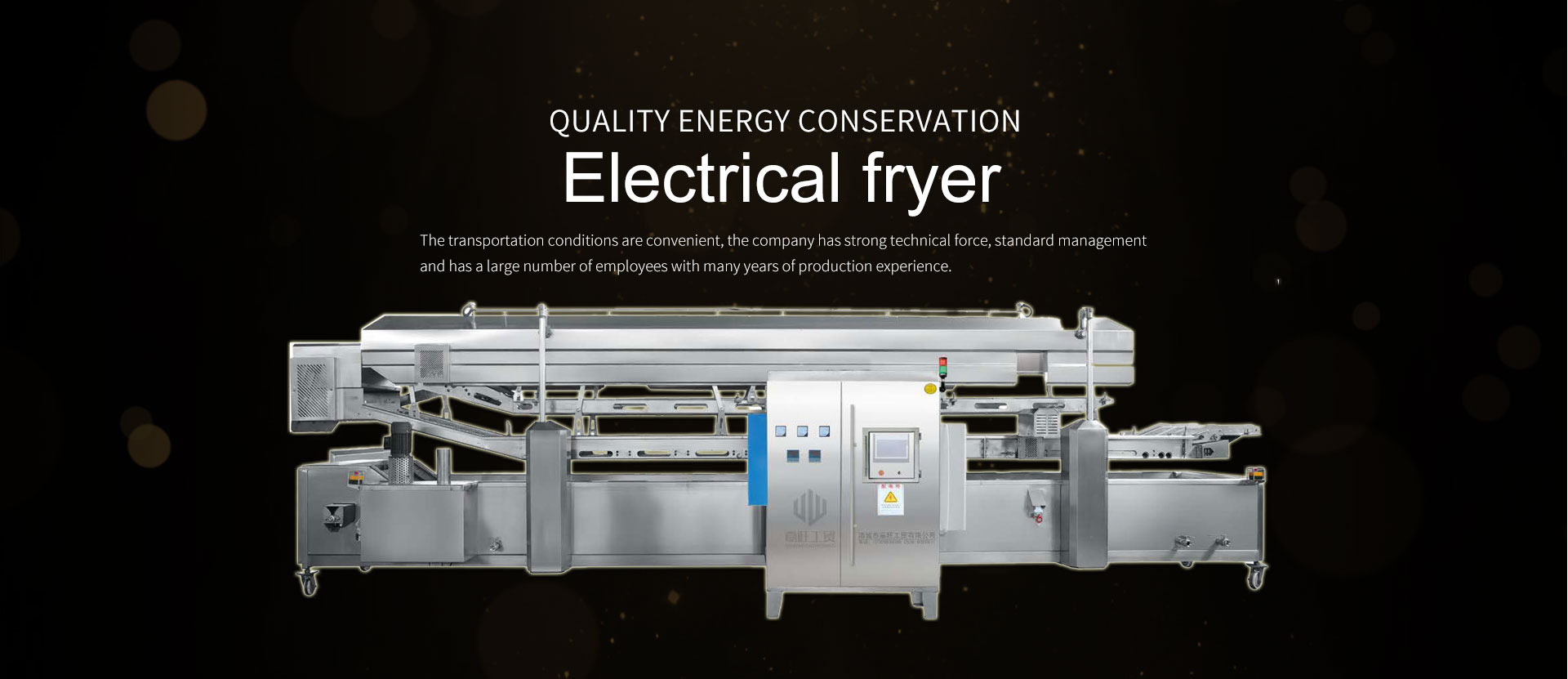
An Electrical fryer can deliver consistent output for years, but a few common mistakes can shorten its service life surprisingly fast. From poor oil management and incorrect cleaning methods to overload, unstable power, and neglected maintenance, these factors directly affect performance, safety, and long-term cost. Understanding what causes early wear helps operators, buyers, and decision-makers protect equipment value and keep production running efficiently.
Which operating mistakes damage an electrical fryer the fastest?
In bakery equipment lines, an electrical fryer often works under repeated heating cycles, frequent loading, and tight production windows. That makes it vulnerable to preventable damage. The fastest service-life killers are usually not hidden factory defects, but daily operating habits that increase thermal stress, electrical load, and contamination inside the tank, heating system, and control section.
For users and technical evaluators, the first thing to understand is that fryer wear is cumulative. A single overload event may not stop production, but 3 to 6 months of repeated overfilling, poor oil turnover, and delayed cleaning can accelerate carbon buildup, sensor drift, heating element strain, and seal deterioration. In high-use environments, this can bring maintenance forward by an entire service cycle.
For procurement and management teams, early failure is rarely just a repair issue. It affects yield consistency, energy use, food safety risk, and line scheduling. If a fryer is paired with supporting equipment such as an oil filter, oil tank, steam cabinet, or steaming and baking machine, one weak point can disrupt the rhythm of the whole bakery production process.
The 5 most common life-shortening mistakes
- Running with degraded oil for too long, which increases residue adhesion, local overheating, and sludge formation around heating zones.
- Cleaning with excessive water, harsh scraping tools, or unsuitable chemicals, which can damage surfaces, probes, terminals, and insulation points.
- Overloading baskets or introducing product with excessive moisture, causing temperature shock, heavy foaming, and unstable recovery time.
- Ignoring power quality issues such as voltage fluctuation, loose wiring, or repeated hard restarts after trips or overheating alarms.
- Skipping routine inspection intervals, including weekly residue checks, monthly electrical tightening, and quarterly calibration review.
These mistakes matter even more in mixed-product factories. A line that alternates snacks, coated items, and dough-based products places different loads on the fryer. Fine particles, crumb release, and coating fragments can settle quickly, especially when temperature ranges move between roughly 160°C and 190°C across shifts.
Why operators often miss early warning signs
Wear rarely begins with dramatic failure. It starts with slower heat recovery, darker residue on the tank surface, irregular thermostat response, longer frying times, or repeated odor changes. These signs are often dismissed as normal production variation. In reality, they usually mean maintenance and oil management are already behind schedule.
How do oil quality, load, and cleaning practices accelerate fryer wear?
Oil management is the single biggest factor in fryer longevity. When oil remains in service beyond its practical condition, oxidized compounds and suspended particles cling to hot surfaces. That coating insulates heating elements, forcing longer heating cycles and increasing energy demand. In many bakery applications, oil should be filtered daily or per shift, depending on crumb release and batch volume.
Load control is the second major factor. Electrical fryers are designed for a practical product-to-oil ratio and a predictable recovery curve. When operators exceed normal batch size by 15% to 30%, the temperature drops too sharply, recovery takes longer, and the element cycles harder. This repeated stress can shorten component life and also reduce product quality consistency.
Cleaning errors are just as damaging. Aggressive scraping can score stainless steel surfaces and create retention points for carbonized residue. Excess rinse water near control boxes or terminal access points increases corrosion risk. For technical teams, cleaning is not only a hygiene task; it is a mechanical preservation process that must match the fryer’s design and electrical protection level.
In lines producing coated products, crumb migration is an especially important issue. Upstream equipment selection can influence fryer cleanliness. For example, a properly matched coating solution may reduce excess debris entering the oil. In some process layouts, integrating equipment such as wet crumb coater helps create a more stable feed condition before frying, which can reduce unnecessary particulate load.
Typical wear triggers and their direct effects
The table below summarizes common operating factors that shorten electrical fryer service life in bakery and snack production. It is useful for operators, quality teams, and procurement staff when defining maintenance standards or evaluating equipment condition before purchase or replacement.
This comparison shows that fryer life depends on process discipline as much as build quality. Even a well-designed electrical fryer paired with an oil filter and oil tank will suffer early wear if cleaning intervals, load limits, and oil replacement rules are not clearly enforced across every shift.
A practical prevention checklist
- Check oil clarity, odor, and residue level at the start and end of each shift.
- Keep basket loading within the operating range recommended for the product category and tank volume.
- Allow the fryer to complete recovery before starting the next batch during heavy production periods.
- Use non-abrasive tools and keep water away from control sections and electrical access points.
- Record abnormal heating time, trip frequency, and cleaning observations every week.
What should buyers and technical teams evaluate before choosing an electrical fryer?
Many service-life problems begin before the fryer is even installed. A unit chosen only by price may not match product moisture, throughput, duty cycle, or site power conditions. For procurement teams in bakery equipment projects, the key question is not only capacity but whether the fryer can remain stable through 8-hour, 12-hour, or multi-shift operation without excessive wear.
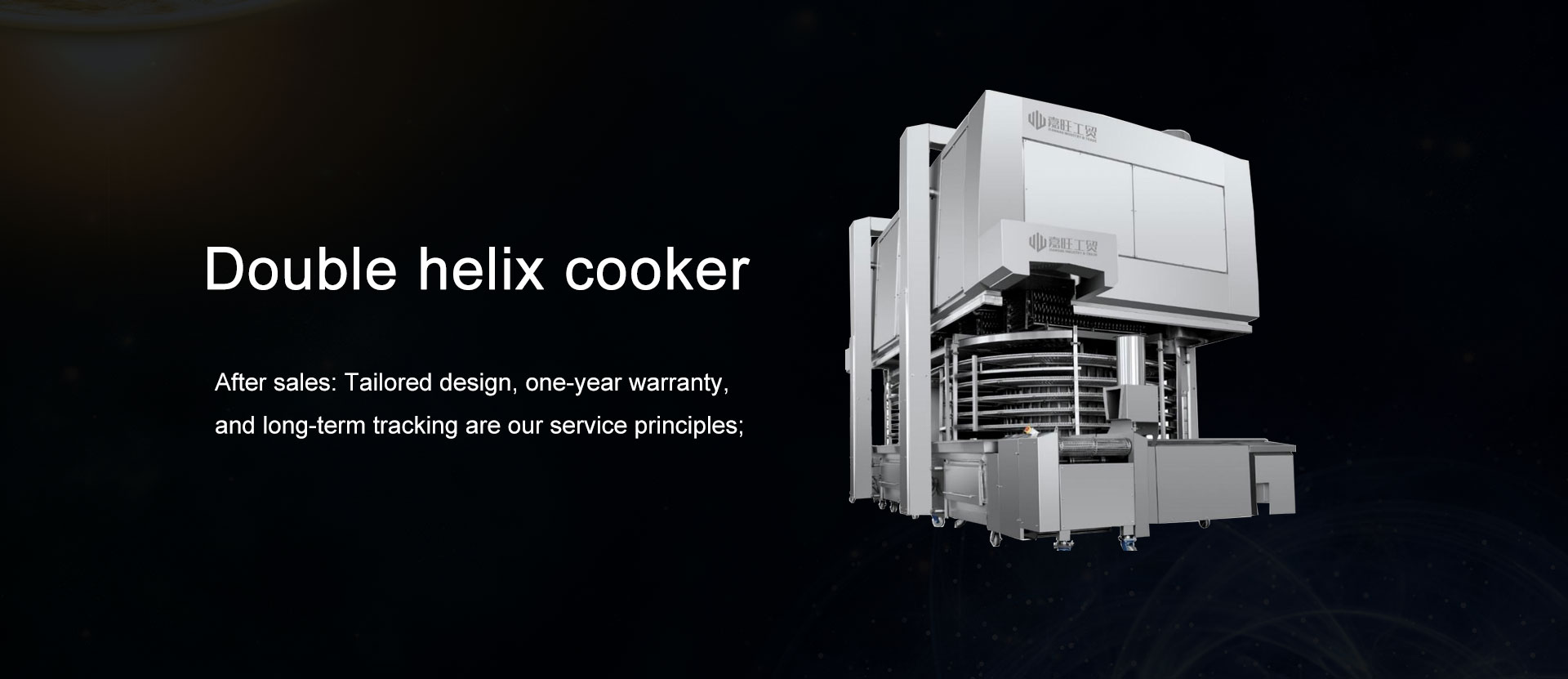
Technical evaluators should review heating power range, temperature control method, oil circulation logic, drain design, cleaning access, and spare-part accessibility. Decision-makers should also look at whether the fryer will connect smoothly with upstream and downstream systems such as double helix cooker, steam tunnel machine, steaming and baking machine, and steam cabinet where process continuity matters.
From a business perspective, lifecycle value is more important than initial invoice value. A fryer that costs less upfront but requires earlier element replacement, more cleaning labor, or more frequent downtime may become the more expensive option within 12 to 24 months. This is especially relevant for distributors and project managers comparing standard and customized line solutions.
Selection points that influence long-term service life
The table below is designed as a quick procurement and engineering guide. It compares practical evaluation factors that directly affect service life, maintainability, and production stability rather than focusing only on nameplate output.
For buyers, this table highlights a simple rule: service life is designed in at the selection stage. If the application involves sticky coatings, wet batters, or heavy crumb release, the fryer should be specified together with filtration, oil handling, and sanitation planning rather than purchased as an isolated machine.
Three buyer profiles, three different priorities
- Operators and plant engineers usually focus on stable recovery time, easy cleaning, and fewer unscheduled stops during 1 to 2 production shifts.
- Procurement and commercial teams usually focus on total cost over 12 to 36 months, spare-part availability, and delivery timing.
- Quality and safety managers usually focus on temperature consistency, contamination control, and inspection-friendly design.
In integrated bakery projects, these priorities should be reviewed together. A fryer, oil filter, and oil tank combination often provides better long-term control than replacing a basic fryer repeatedly. Where coated products are involved, a stable pre-frying transfer setup, including options like a second wet crumb coater position in some line concepts, should be evaluated carefully rather than assumed.
How can maintenance planning, compliance, and process design extend fryer life?
A longer-lasting electrical fryer is usually the result of three things working together: preventive maintenance, proper operating discipline, and a process layout that controls contamination and thermal shock. In bakery equipment projects, fryer life improves when the machine is treated as part of a system rather than as a stand-alone heat source.
Preventive maintenance should be scheduled by frequency and duty level. A light-use site may review seals, wiring points, and sensor accuracy every month. A higher-output site may need weekly checks and quarterly deeper inspection. The right interval depends on product type, operating hours, oil turnover, and cleaning method, not simply on calendar time.
Compliance and safety also matter. While exact requirements vary by market, buyers should confirm that materials, electrical configuration, and hygienic design follow commonly accepted industrial practice. It is also good practice to document 4 areas during acceptance: temperature control, electrical protection response, drainage function, and cleanability after trial production.
A realistic maintenance rhythm for bakery operations
The following plan is a practical reference for facilities running electrical fryers in food production. Actual intervals should be adjusted according to throughput, oil condition, shift length, and product residue behavior.
This kind of schedule helps plants move from reactive repair to controlled lifecycle management. It also supports clearer communication between operators, maintenance teams, and management when a fryer starts showing signs of decline after repeated heavy-duty operation.
Common misconceptions that lead to early replacement
“If it still heats, it is fine.”
Not always. A fryer may still heat while running inefficiently, recovering slowly, or holding inaccurate temperature. That condition raises energy consumption and product variation before outright failure appears.
“More detergent means cleaner equipment.”
No. The wrong chemical concentration can attack surfaces and leave residues that affect food-contact areas or components. Cleaning chemistry should match stainless steel and food equipment practice.
“Replacement is cheaper than maintenance.”
Sometimes, but not usually in continuous production. Downtime, installation delay, operator retraining, and process instability can make unplanned replacement far more expensive than a well-managed inspection and service program.
FAQ and next steps for buyers, operators, and project teams
How often should an electrical fryer be inspected?
Basic checks should happen every shift, especially for oil condition, residue level, and heating behavior. In many bakery environments, a more detailed inspection every week and a structured technical review every 1 to 3 months is a practical starting point. Heavy crumb or coated-product lines usually need tighter control.
Does unstable power really reduce fryer life?
Yes. Repeated voltage fluctuation, poor grounding, or hard restarting after trips can stress relays, controllers, and heating sections. Before installation, technical teams should confirm site power conditions, protection devices, and cable matching instead of assuming any electrical fryer can be connected without review.
What matters more: fryer price or total operating cost?
For most B2B users, total operating cost matters more. A lower purchase price may lead to more oil contamination, higher cleaning labor, shorter component life, and more unplanned downtime within 12 to 24 months. That is why many buyers compare fryer, oil filter, and oil handling design as one package.
Which production scenarios cause the fastest wear?
High-moisture inputs, heavy crumb release, overloaded baskets, rapid temperature cycling, and inadequate end-of-shift cleaning are the most common causes. Mixed-product operations are also challenging because each product changes the load profile and contamination pattern inside the fryer.
Why choose us for fryer and bakery process support?
Because equipment life depends on the full process, not on one machine alone. Our product range covers Electrical fryer, Oil fryer, Oil filter, Oil tank, Steam tunnel machine, Double helix cooker, Steaming and baking machine, and Steam cabinet, which allows more practical matching across frying, oil handling, thermal processing, and line integration.
If you are comparing solutions, we can discuss 6 practical topics before purchase: required capacity range, product type and crumb behavior, oil management method, utility conditions, cleaning expectations, and delivery timing. We can also help review whether a standard machine or a more customized bakery equipment layout is the better fit for your project.
Contact us if you need support with parameter confirmation, fryer selection, matching equipment such as oil filter or oil tank, expected delivery cycle, sanitation-oriented design choices, or quotation planning for a complete bakery line. Clear upfront evaluation is one of the fastest ways to prevent premature fryer wear and protect long-term production value.
Online Consultation